
Before you begin or give up on your Meditation practice, Read this.

Updated: Aug 15
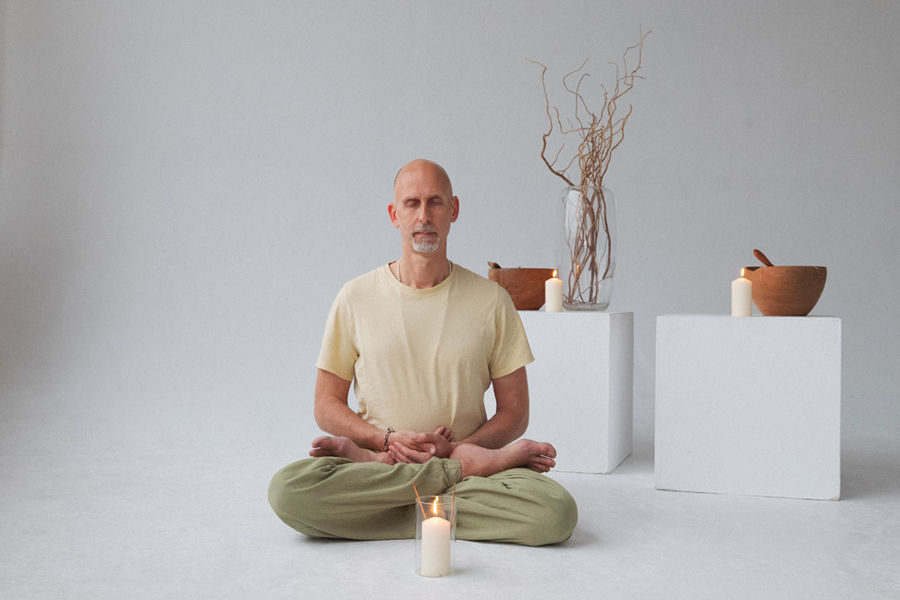
If you are interested in establishing a seated meditation practice, but don’t know where to begin or your feeling stuck in your meditation practice, then continue reading. I will share my thoughts as a meditator and teacher and perhaps it will benefit your own meditation practice somehow.
To be clear from the start, almost anyone can learn how to meditate. However, how you get to the phase of meditation may take some experimentation, patience and consistent effort.
You see, there is no one meditation method suitable for everyone. So, the fun part of meditation practice, in my eyes, is in developing a personalized ‘meditation map.’ The phases of coming into the state of meditation are the same game for everyone (unless your an advanced meditator). These five phases include Intention Setting, Relaxation, Concentration, Meditation and Samadhi (deep meditation). The phase of Samadhi cannot be ‘done’. It just happens on its own whenever it wants to happen. Your meditation map becomes personalized in testing and adapting the techniques that work best for YOU in the phases from Intention Setting to Meditation.

The other thing that will influence your meditation map is how much time you need to spend in each phase in order to effortlessly flow into the next phase. For example, some people need more time to relax than others, so will need more relaxation techniques and some have a difficult time concentrating more than others, so need more time and workable concentration techniques in this phase. When I began meditating, I spent 3-6 months refining my meditation map. I usually suggest to my students that they spend at least 2 months test-driving various meditation techniques that I will talk about here to experience how they ‘feel’ and know if they work for them personally.
Developing your meditation map takes DOING, meaning practice and repetition. Accept that you cannot THINK yourself to Samadhi. There are no magical blue or red pills available for this. Instead, be kind and non-judgemental to yourself and develop your meditation map step by step with no expectations other then putting consistent ‘effort’ into practicing.
I’m going to break this topic down into three Blog articles. In this Blog article, I will start with a little contemplation on why practice meditation, finding time for it and some preparation practices. In the next two blog articles, I will get into the actual techniques for each phase and how to adapt your meditation map as you evolve in your meditation practice.
Now…take a few deep slow breaths into your belly and exhale long out of your mouth. Feels more relaxed already doesn’t it. Let’s begin building your meditation map!
Part 1 – The Set-Up
Why am I practicing meditation?
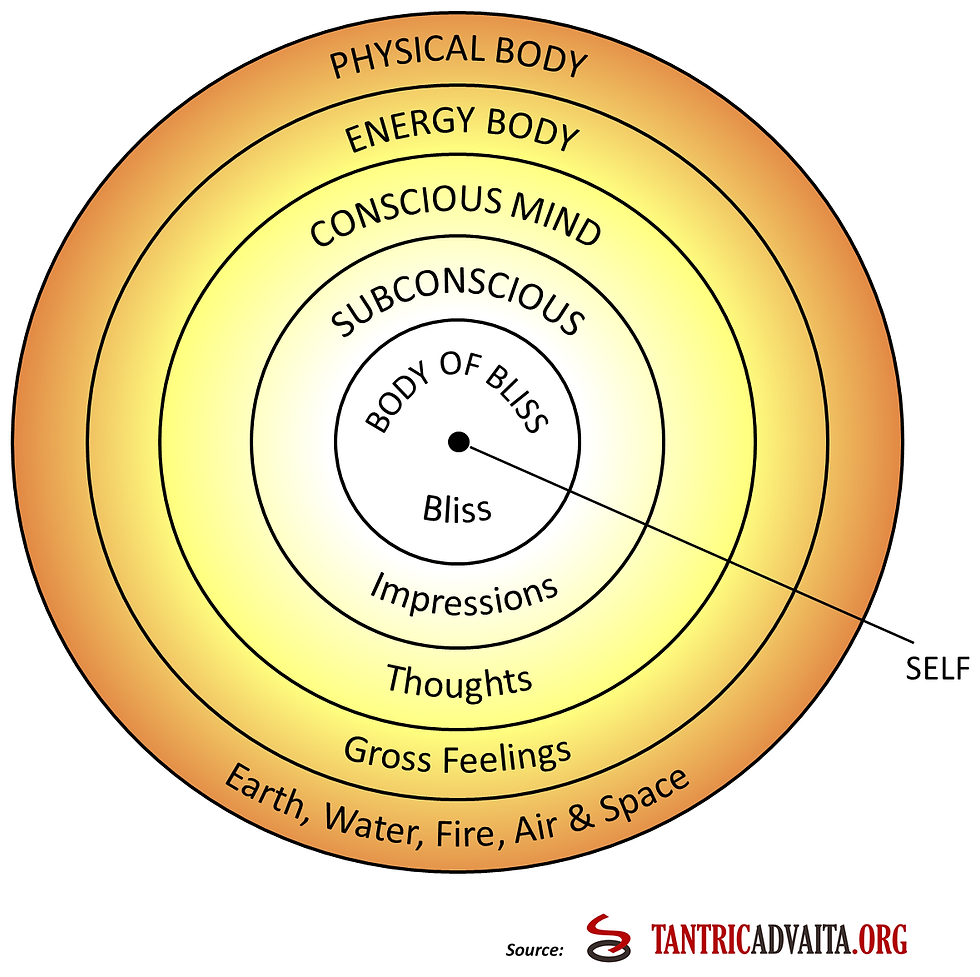
Simply put, its about better understanding the User’s Manual of YOURSELF, physically, energetically, emotionally, mentally and spiritually. A meditation practice will help you notice patterns in your body, energy, emotions, thoughts and behavior. Things like your habits, fears and desires will bubble up eventually from your subconscious during your practices. Experiencing these patterns through meditation practice will provide you personal growth in making better life choices.
These patterns are reflected in the five layers of our consciousness called Koshas. When you understand some basics of the Koshas according to ancient Indian Vedic texts, you come to understand and experience through your meditation practice that the body, breath, conscious mind and sub-conscious mind effect one another continuously.
In stilling the mind during meditation practice, you will receive physical benefits in the body like reduced blood pressure, improved immune response, reduced inflammation and better pain management.
Emotionally, your meditation practice will strengthen your ability to pause and respond before reacting to life situations. In observing your emotions rather then participating in them all the time, negative emotions can be reduced producing more emotional stability, thus less conflict within yourself and better overall relationships with other people. In the short-term a meditation practice can open you up to experiencing your most sattvic emotion of inner peace. After all, isn’t that what we truly want more of in life?
Mentally, your meditation practice can increase your focus and productivity. Over time, your mind will be trained to wander less and concentrate on your meditation object. This can be a game changer in your school, work place and homelife producing clearer and time saving decision-making.
For the long-term, as my teacher Peter Marchand says, you are in this meditation game for the happiness. You come to realize that you can experience inner happiness independent of what happens outside of you. This is the spiritual aspect and the truth of who we all are. It is life changing because external happiness becomes a bonus in life because you are already open to it within yourself thanks to your meditation practice. In other words, as long as you expect things outside of you to sustain your happiness, you will endlessly be trying to fill a hole that was never empty. Instead of looking outwards, look inwards because happiness and peace are your natural state of being. This can be realized through your meditation practice.
How is this possible? Stop letting the mind convince you that sustained peace and happiness are out there somewhere. Then you will discover that eternal inner smile called the sacred heart or Hridaya that resides within us all.

Addressing the Elephant in the room…Time.
The most common reason people say they do not have a meditation practice is lack of time.
Sure, most of us find ways to keep ourselves busy, however starting and maintaining a meditation practice will ultimately save you time in your daily activities and responsibilities by increasing your efficiency in being more focused and emotionally stabile. What may help is to review your list of habits, tasks and projects happening presently (example: social media scrolling, TV, working). You will probably find that some of them don’t need to happen as often or at all. I made this choice a few years ago in reducing my personal desires from the size of an ocean to a more manageable pond, which gave me more time to meditate.
Another idea to consider is communicating your meditation practice intention to the people you live with. I shared my meditation intention and map with my wife to establish an understanding and compromise. In the end, this was a good choice for me and our relationship. If this doesn’t work for you, then maybe better to not disturb the loving relationships you have and take your meditation practice in smaller steps. Like crossing a river and stepping on one stone at a time.
There is no goal in your meditation practice, so why not take it slow, especially if you have a lot of commitments. After reviewing your situation, be realistic, but not lazy or procrastinating about it. A suggestion is to begin with 15-30 minutes a day. With this time devoted, maybe you won’t come into a state of meditation, but you can definitely experience an intention, some deep relaxation and some concentration on a meditation object to quiet your mind and balance your energies.
For those who feel they still can’t devote this time to a meditation practice, there are other options. These are not meditation techniques within the phases of meditation, but they are useful preparation activities that can prepare you for beginning a future meditation practice. Trying some of these can bring you more calmness, balance, focus and clarity in body & mind.
No time? No problem.
Daily activities outside a meditation practice to quiet the mind
The following are relaxation and focus practices that can largely be done on-the-go in your daily life and may help you cultivate a future meditation practice. These are ideas that can truly relax your mind instead of excite it. Its also about relaxing your ego and not expecting any results from these activities. You essentially want to calm your five senses (seeing, hearing, smelling, touching & tasting). Doing this can better prepare you for withdrawing them more easily during a future meditation practice.
As mentioned, I will describe practices on-the-go and not practices that will take up extra time in your day like Asana practice although Asana practice is very useful for releasing physical tensions and emotions suppressed in the physical body. An exception to on-the-go is Yoga Nidra practice listed below. This practice requires more time to rest into, but it is a wonderful practice for those who have never meditated before since it is guided.
Try any of these ideas:
Activity idea #1 Diaphragmic Breathing (Belly breathing) Position options: sitting, lying or walking
Activity idea #2
Heart Breathing
Position options: sitting or lying Practice: with Eric (5 min. 30 sec.)
Activity idea #3
Repeating a mantra
Position options: sitting, lying or walking
Activity idea #4
Singing or listening to spiritual songs
Position options: sitting, lying or walking
Activity idea #5
Prana Visualization
Position options: sitting or lying Practice: with Eric (3 min. 50 sec.)
Activity idea #6
Yoga Nidra guided meditations
Position options: lying Practice: with Eric (35 min.)
Activity idea #7
Gardening, cooking or nature activities with no goal. Simply a practice of being present.
Activity idea #8
Fasting – Speech, visual, social media, food, negative emotion. (Future Blog article coming on this topic)
Any of these techniques can guide you gently towards a meditation practice one day and contribute to making the relaxation phase of your meditation practice easier and shorter with more time for the concentration phase.
Your Sacred Space.
A Meditation Space that supports your practice
For those of you who are ready to begin or adjust your meditation practice, here are some ideas for creating your own sacred space that you come to every time you practice meditation. This is a place where your five senses and mind can be present and not distracted.
Choose the same spot for your meditation practice since you will build
up energy from your meditation practice into this spot.
Have a space that is clean, clutter-free, airy and quiet.
Free from distractions (people, phones, electronic devices etc.)
In other words, a peaceful (sattvic) environment.
If possible avoid meditating in places with dull (tamasic) energy
like the bedroom and avoid areas with too much stimulating
(rajasic) energy like a workplace or home office.
Your meditation spot should be calming to your five senses, not smelly,
visually overloaded or loud. Try adding some flowers and/or spiritual
art in the room as an idea.
Natural light is always best in your meditation spot. Avoid artificial light if possible. Try candles instead.
Burning some subtle incense or essential oils before
meditation practice is very helpful to relax your sense of smell
and any negative energies in the room. (suggestion: Frankincense or Myrrh).
Being out of sight of other people is advised to increase the feeling of safety and not feeling watched.
Struggling to sit still?
Meditation is still for you.
Your Asana practice If you have the time to do an Asana practice to release stress and sit more comfortably in your meditation practice, timing matters. If you prefer to meditate in the mornings then consider an Asana practice after your meditation practice, otherwise it may stimulate your body and mind too much (rajasic energy) before meditating. If you want to meditate in the evenings, try an Asana practice before you practice meditation as this will help to release stresses from the work or school day before meditation practice.
Your Surface Your meditation surface is important for grounding. Yoga mats made of plastic or rubber will restrict your body’s connection to the earth, thus not allowing your body to better release stress. Options to try for a comfortable and conductive energy exchange with the earth include cotton carpets or cushions, wool or silk blankets and my personal favorite, Halfa Grass also known as Kusha. These small or large mats prevent the loss of energy accumulated during meditation or chanting from the body into the ground. This will allow you to retain awakened energy and reach a deeper meditative state. Kusha can also protect you from negative energies. The natural fibers of the grass provide excellent insulation, keeping the mat cool in warm conditions and warm in colder settings, making it comfortable for use in various climates.

Your Clothing
As much as possible, wear natural fabric loose fitting clothing for your meditation practice (cotton, linen, wool). These will support the body’s energy flow during meditation practice and reduce feelings of fatigue, anxiety or disconnection. Since your body may release tensions that create more heat and in later stages of the meditation practice cool down, using a natural fabric blanket over your body (head and legs) is a helpful idea. I have used this for years since I can easily add or remove the blanket with minimal distraction during the early stages of meditation practice.
Sitting Direction
When it comes to sitting direction, Yoga and Ayurvedic traditions prescribe different directions. However, if your new to practicing meditation, sit facing East if your meditating in the mornings and West if meditating in the evenings. A reason being that the earth’s electromagnetic currents and the sun's position influence your inner energy (Prana & Apana), so these sitting directions are believed to assist with concentration and spiritual energy flow.
Sitting Position
To sit comfortably with ease for a meditation practice is important and for many beginners this can be the make or break point of continuing your meditation practice. If you don’t have time to do a Yoga Asana practice for an hour, then focus on establishing more balance in your hips to sit longer. When the knees and ankles start to ache in meditation practice its usually due to tight hips. Since we sit a lot in western society, give some extra love to opening and balancing your hips. Another idea you can try is to reduce your time sitting in chairs and instead sit cross-legged whenever possible.
Whether you practice in the morning or evening, build in some hip, leg and shoulder poses to open and balance your body. What I teach students and practice myself for preparation is Fire Log pose (Agnistambhasana) with variations. I also move my spine in its 6 directions doing seated forward folds, lateral bends right and left, gentle back bending and twists right and left. These warm-up poses are very personal based on what your body needs to feel comfortable in sitting still, so experiment with a few yoga poses that bring you some tension relief. This can change from day to day.

Important is to have a solid sitting position where your spine can sit upright into its natural curves for energetic reasons (Sushumna Nadi & Kundalini). Also important is to find the right sitting position, so that your leg muscles can completely relax. If your hips feel tighter, then try a simple cross-legged position on the ground. Feel free to adapt props like yoga blocks, bolsters or pillows under your knees and ankles. To support your spine and hips more, try a natural fabric meditation cushion or folded blanket under your seat.
More stable is to sit in Accomplished pose (Siddhasana) if the hips and knees allow it. Half-Lotus (Ardha Padmasana) and Full-Lotus (Padmasana) are also excellent options for stability and energetic reasons. If you should come into the state of meditation or Samadhi, you will lose connection to your physical body and your shoulders and head will likely slump forward. This is all OK and natural in happening. Having a stable seat is even more important then, so that you don’t risk falling forward. This falling forward happened to me a couple of times early on. I almost fell into my meditation alter in front of me a few times.

Basically, until your hips are open enough, choose a seated position that produces the least pain, yet can still be relatively comfortable to sit in for your minutes of meditation practice. (meditating in chairs or back against a wall are not recommended).
What next?
If any of these preparation ideas work for you in making your meditation practice happen with more ease, then stay tuned for the next blog article. We can then talk about the actual phases of meditation practice and some techniques for intention setting, relaxing, concentration and meditation. In the meantime, experiment with the choices above and stick with the one’s that work for YOU!

Comments